
40% Fewer Self-Resolvable Inquiries: How KOMEHYO Freed Support Teams to Focus on High-Value Customer Conversations
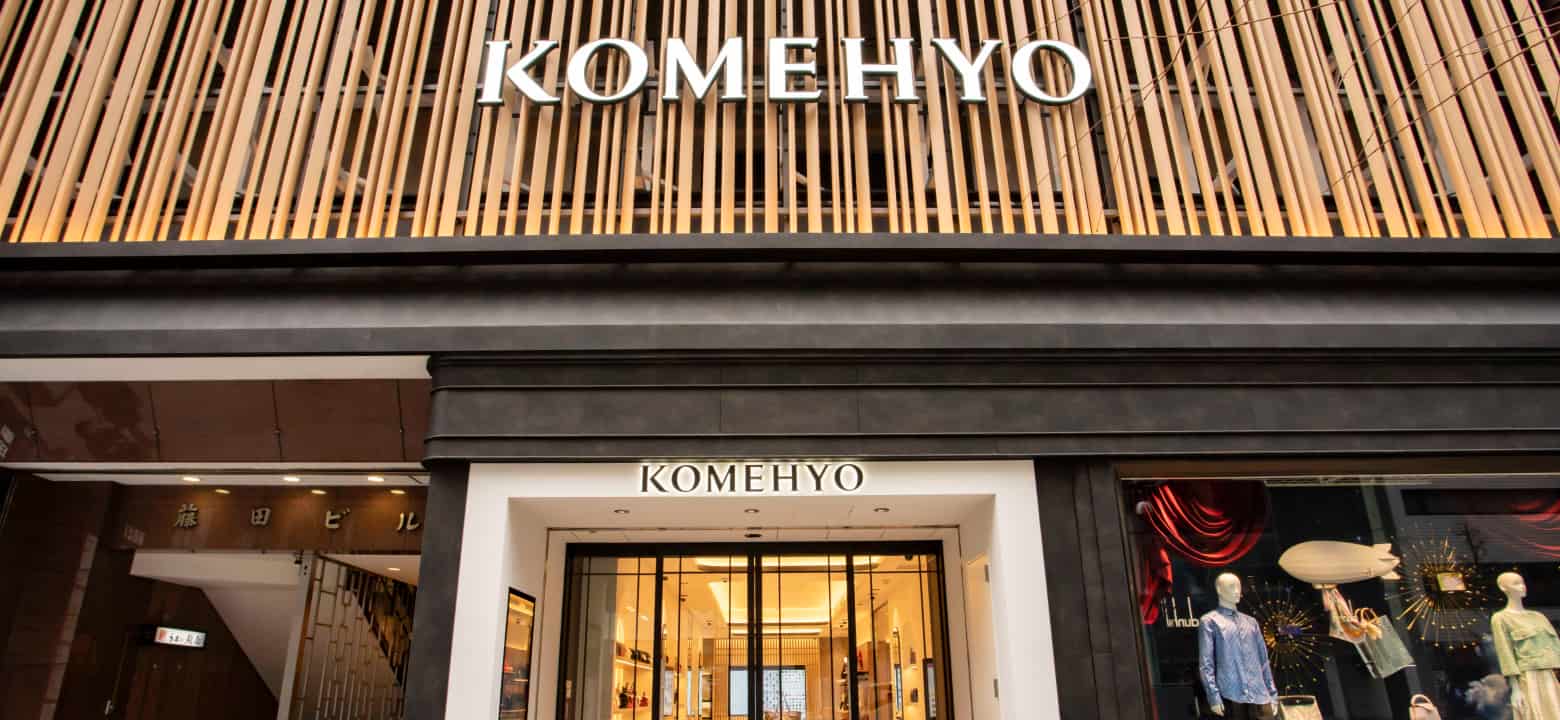
KOMEHYO Inc.
Retail / E-Commerce1,001+ employeesCustomer Support
At a glance
- EC procedure inquiries down 30-40% year-over-year
- 8,300+ support interactions per month (phone, email, chat) with leaner staffing
- 115 articles live after one year, up from 95 at launch
The Challenge
KOMEHYO operates more than 160 luxury resale stores across Japan, with an EC site listing approximately 50,000 unique items. As a resale business, every piece is one-of-a-kind, and many customer conversations require detailed human attention: discussing condition, appraisal nuances, or arranging in-store transfers for inspection before purchase.
As the company accelerated store openings and trade-in acquisition, the support team proactively built capacity to handle growing inquiry volumes. But a significant portion of phone and email inquiries, even during business hours, covered straightforward topics customers could resolve themselves, like accepted payment methods or basic EC procedures. These self-resolvable inquiries mixed in with high-value conversations, causing phone congestion and requiring frequent callbacks. At night, when no human support was available, the EC site received substantial traffic with no fast self-service path for simple questions.
The existing FAQ was hard to find, relied on external vendors for content updates (causing delays), and had poor search functionality, making it largely impractical.
For a company dealing in high-value pre-owned goods, the goal was to concentrate human resources on interactions that truly require them. Streamlining self-resolvable inquiries was not a cost-cutting measure, but a way to deliver a better overall customer experience.
Why Helpfeel
KOMEHYO was simultaneously evaluating a customer-facing FAQ and a new internal FAQ to strengthen information sharing between stores and headquarters. Given the dual rollout, the quality of ongoing support was a top priority. The team needed a vendor who could provide concrete, regular improvement recommendations for both use cases.
Helpfeel's search accuracy and customizability were standout factors. The combination of strong search performance and the ability to customize the system addressed the existing pain points comprehensively.
What They Did
- Migrated 95 articles from the previous FAQ and grew to 115 published articles over approximately one year of operation.
- Invested heavily in search customization: trade-in related content was configured to surface reliably from multiple spelling variants and synonyms ("kaitori," "kai-tori," "satei," "baikaku"), routing customers to the same relevant FAQ content.
- Added input placeholder text cycling through example prompts ("certification," "warranty") to guide customers toward the right keywords.
- Promoted trade-in topics directly below the search box as a business priority.
- Solved the discoverability problem using Helpfeel's popup feature, accessible directly from the EC site top page, with banner size and position adjustable in fine detail to remain prominent without causing accidental taps on narrow smartphone screens.
- Ran monthly improvement cycles with Helpfeel's Customer Success team: expanding target search keywords, enriching FAQ content to match, and continuously refining the system based on user behavior analysis.
Results
Phone and email inquiries each run at approximately 4,000 per month, with an additional approximately 300 chat inquiries per month. Of these, inquiries related to EC procedures and on-site operations have decreased by 30-40% compared to the same month in the prior year before Helpfeel was introduced.
These gains are attributed to the cumulative effect of monthly improvement cycles: expanding target search keywords, enriching FAQ content to match those keywords, and continuously refining the system based on user behavior analysis. Both the customer-facing and internal FAQ improvements benefit from regular, specific, actionable proposals from the Helpfeel team.
Looking Ahead
Web traffic data shows that the overwhelming majority of visitors, regardless of whether they intend to buy, sell, shop online, or visit a store, enter through the EC site's top page. The FAQ is now prominently positioned there, and the team has observed that customers are searching for specific product and service topics far more than expected, not just EC usage guidance. FAQ content has been expanded accordingly.
The next phase will focus less on simply adding more articles and more on deepening integration between the FAQ and other existing site content, guiding customers fluidly toward resolution across all touchpoints. For example, the trade-in service spans three distinct channels (in-store, courier, and home-visit), and the FAQ could play a role in explaining what is common across all three before routing customers to the specific channel most relevant to them.
For KOMEHYO, the customer-facing FAQ is a tool for achieving the kind of careful, attentive service that creates loyal customers. When a customer calls about an item listed on the EC site, the staff member typically doesn't have the physical item in hand. Explaining what can be determined remotely and offering options like in-store transfer takes time. Preserving that human capacity for situations that genuinely require it is exactly why the team continues to invest in self-service support.
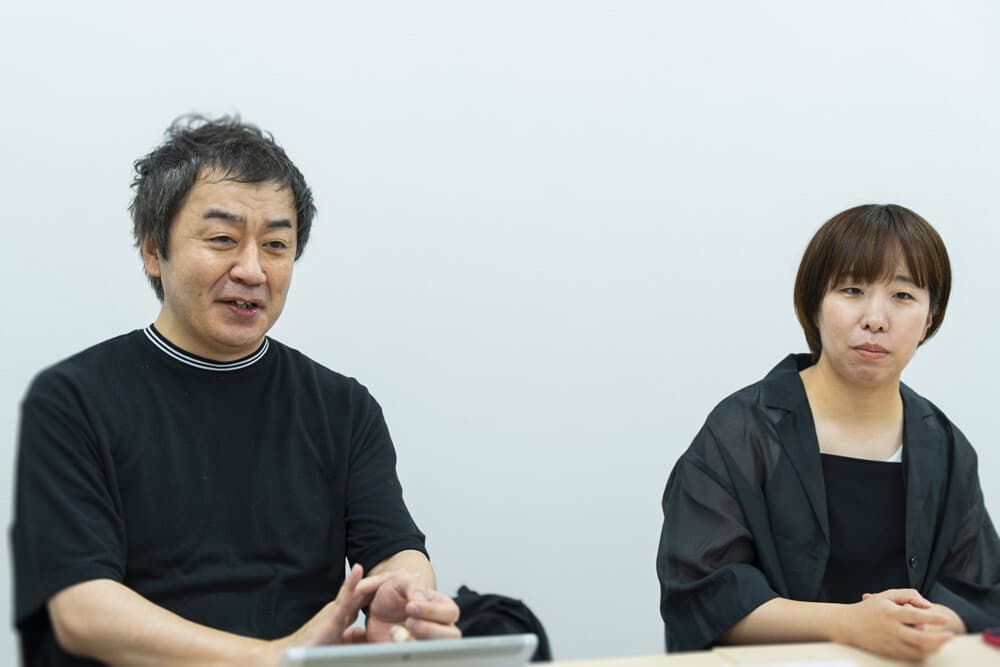
“For us, the goal of the customer-facing FAQ is not simply to reduce phone and email volumes as an end in itself. It is a tool for achieving the kind of careful, attentive service that creates loyal customers.”
— Ryuji Tsuruta, Retail Division, Online Business Department